Author: ausinch

  • Best Digital Marketing Services in Yelahanka Bangalore – Grow Your Business Faster

    Best Digital Marketing Services in Yelahanka Bangalore – Grow Your Business Faster

    In today’s competitive digital environment, businesses must build a strong online presence to stay relevant and profitable. If you are looking for the Best Digital Marketing Services in Yelahanka Bangalore, choosing a strategic digital partner is essential for long-term growth and consistent lead generation.

    Yelahanka is rapidly emerging as a commercial hub in North Bangalore, with businesses across industries looking for reliable digital marketing solutions. A professional digital marketing agency helps you improve visibility, strengthen brand authority, and convert prospects into customers.

    Our Digital Marketing Capabilities

    We provide comprehensive digital marketing solutions tailored to meet the needs of startups, SMEs, and enterprise-level businesses.

    1. Search Engine Optimization (SEO)

    Our SEO approach focuses on improving organic rankings, increasing website authority, and driving quality traffic through strategic optimization.

    Our expertise covers:

    • Technical SEO enhancements
    • On-page & off-page optimization
    • Keyword research and competitor analysis
    • Local SEO for Yelahanka-based businesses
    • Google Business Profile optimization
    • SEO performance tracking & reporting

    We help your business rank higher for competitive terms like Best Digital Marketing Services in Yelahanka Bangalore.

    2. Social Media Marketing (SMM)

    We enhance your brand’s digital presence across major social media platforms like Instagram, Facebook, LinkedIn, and YouTube.

    Our solutions include:

    • Social media strategy formulation
    • Visual content creation and scheduling
    • Audience engagement & community management
    • Paid social media advertising
    • Analytics and performance reporting

    3. Google Ads & Paid Advertising

    Our paid advertising strategies help you generate immediate traffic, leads, and conversions.

    Our offerings include:

    • Google Search & Display Advertising
    • YouTube Ads
    • Retargeting campaigns
    • Ad performance tracking
    • ROI and conversion optimization

    4. Website Design & Development

    We design modern, user-friendly, and conversion-optimized websites.

    Our web solutions include:

    • Corporate website design
    • E-commerce development
    • Custom landing pages
    • UI/UX design
    • Website optimization & maintenance
    • Mobile-responsive layouts

    5. Content Marketing

    Our content strategy is focused on building brand credibility and improving SEO performance.

    Our content solutions include:

    • Website copywriting
    • Blog writing & SEO articles
    • Social media content
    • Product & service content
    • Marketing video scripts
    • Email content

    6. Email Marketing

    We help businesses nurture leads and retain customers through professional email marketing campaigns.

    Our approach includes:

    • Automated email workflows
    • Newsletter campaigns
    • Lead nurturing strategies
    • CRM integration
    • Campaign performance tracking

    7. Online Reputation Management (ORM)

    We help you build and protect your online reputation effectively.

    Our solutions include:

    • Review & rating management
    • Brand monitoring and feedback handling
    • Online reputation building strategies
    • Negative review mitigation

    8. Local SEO Services

    We help your business dominate local search results in Yelahanka and nearby areas.

    Our focus areas include:

    • Google Maps ranking optimization
    • Local citation creation
    • Keyword localized content
    • NAP consistency across platforms
    • Location-based SEO strategies

    9. Video Marketing

    We use visual storytelling to strengthen brand engagement and visibility.

    Our video marketing services include:

    • Corporate brand videos
    • Social media video campaigns
    • YouTube optimization
    • Product demo & ad videos
    • Motion graphics videos

    10. Conversion Rate Optimization (CRO)

    We analyze and optimize customer journeys to increase your conversion rates.

    Our optimization process includes:

    • Landing page optimization
    • User experience enhancements
    • A/B testing
    • Sales funnel optimization
    • Behavioural data analysis

    Why Choose Us?

    As a provider of the Best Digital Marketing Services in Yelahanka Bangalore, we focus on delivering strategic, performance-driven solutions with measurable outcomes:

    ✔ Certified digital marketing experts
    ✔ Customized growth strategies
    ✔ Transparent reporting
    ✔ Competitive pricing
    ✔ Dedicated account support
    ✔ Proven local market expertise

    Conclusion

    Partnering with the Best Digital Marketing Services in Yelahanka Bangalore helps your business achieve digital excellence, higher conversions, and sustainable growth.

    We offer integrated, performance-focused digital marketing solutions tailored to your business needs.

    Contact us today to get started with a professional digital roadmap for your brand.

  • Transforming Interactions into Seamless Digital Experiences

    Transforming Interactions into Seamless Digital Experiences

    In today’s hyper-connected era, digital experiences are no longer a luxury — they’re central to how people engage with brands, services, and one another. A digital experience captures every moment a user interacts with an organization across websites, mobile apps, social platforms, and even smart devices. These interactions form a seamless journey that, when designed intentionally, has the power to delight and retain.

    A truly strong digital experience isn’t just about flashy design or cutting-edge tech: it’s about understanding the user’s needs, feelings, and expectations. Digital experiences are meaningful when they resonate emotionally while also being useful and usable. As companies invest in digital transformation, the goal becomes not only to digitize existing services but to reimagine them wholly — delivering digital experiences that could never exist in the physical world.

    At the heart of every digital experience lies a strategy that unifies technology, content, and customer data. By leveraging tools like digital experience platforms (DXPs), businesses can orchestrate personalized stories across all digital touchpoints. These platforms enable the delivery of consistent, relevant, and contextual interactions — which is especially powerful when users switch between channels or devices. The right digital experience feels like continuity, not fragmentation.

    Data plays a pivotal role in shaping digital experiences. From real-time analytics to user behavior insights, the intelligence gathered helps brands continuously refine the journey. Each user action — a click, swipe, or chat — becomes feedback. When companies respond with agility, digital experiences evolve to feel more natural, more human, and more valuable.

    But digital experience isn’t a one-and-done initiative. It’s an ongoing commitment to measurement and innovation. Digital experience monitoring (DEM) techniques help organizations track real-user interactions and optimize them proactively. By understanding where friction exists, businesses can resolve pain points, reduce latency, and ultimately elevate satisfaction across the board.

    Inclusivity and accessibility must also be core to any modern digital experience. True digital experiences don’t just cater to the average user — they empower everyone, regardless of ability or platform. Thoughtful design ensures that people using assistive technologies or different input methods can still enjoy frictionless interactions.

    When done right, digital experiences become more than transactional touchpoints: they foster customer loyalty, strengthen brand identity, and drive growth. Organizations that prioritize digital experience aren’t just keeping up — they’re leading with empathy, innovation, and purpose.

    By embracing a holistic digital experience strategy, companies can anticipate needs, delight users, and build long-term relationships in an ever-evolving digital landscape.

  • Software Development Empowering Businesses Through Innovative Software Development Software Development

    Software Development Empowering Businesses Through Innovative Software Development Software Development

    In today’s digital-first world, software development plays a critical role in shaping the success of modern enterprises. From startups to large corporations, businesses rely on innovative software solutions to streamline operations, improve customer experiences, and gain a competitive edge in the marketplace. The process of software development goes beyond coding — it’s about transforming ideas into scalable, secure, and efficient digital products that drive real-world impact.

    At its core, software development involves designing, building, testing, and maintaining applications that meet specific user and business needs. Modern organizations are turning to custom software development to build solutions that align with their workflows, improve efficiency, and ensure long-term adaptability in a rapidly changing tech environment. Whether it’s mobile app development, web applications, enterprise software, or cloud-based platforms, every solution is crafted to deliver measurable value.

    The landscape of software development continues to evolve with emerging technologies like artificial intelligence, cloud computing, blockchain, and machine learning. These advancements allow developers to create smarter and more responsive applications that enhance automation and decision-making. Businesses embracing digital transformation understand that effective software development is the foundation for sustainable growth and innovation.

    Choosing the right software development partner is crucial. A trusted development team understands not only the technical aspects but also the strategic goals of the organization. From initial consultation to deployment and support, professional developers ensure that every stage of the software development life cycle is executed with precision and transparency. The result is a robust digital solution that enhances business efficiency and customer satisfaction.

    As the demand for personalized and scalable technology solutions grows, the importance of software development becomes even more evident. It bridges the gap between business challenges and technological possibilities, enabling organizations to operate smarter and faster in a connected world. With the right development approach and expertise, businesses can unlock new opportunities, innovate effectively, and stay ahead of competition.

    In conclusion, software development is more than just creating applications — it’s the engine driving digital success. By leveraging advanced tools, agile methodologies, and expert guidance, companies can turn their visions into powerful software solutions that lead the way toward a smarter, more efficient, and technology-driven future.

  • Innovative Product Design: Shaping Ideas into Reality

    Innovative Product Design: Shaping Ideas into Reality

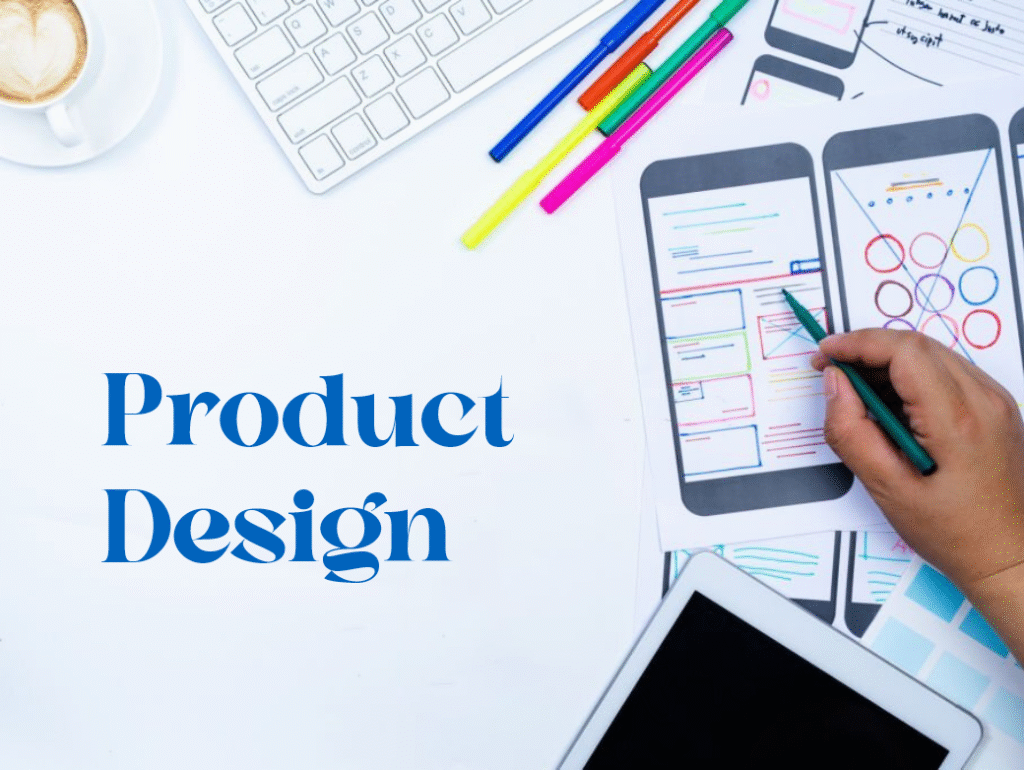
    In today’s fast-paced market, product design plays a crucial role in transforming ideas into functional, appealing, and user-centric realities. At Ausinch, we believe that great product design isn’t just about aesthetics — it’s about innovation, usability, and purpose. A well-crafted product reflects the perfect blend of creativity and technology, ensuring it meets both the user’s needs and the brand’s vision.

    Every successful product design journey begins with understanding the problem it aims to solve. From concept development and prototyping to testing and refinement, the process is built on research, collaboration, and precision. The goal is to create products that not only look great but also deliver seamless user experiences and long-lasting value.

    At Ausinch, our product design philosophy revolves around designing with empathy and intelligence. We use advanced design tools and methodologies to craft solutions that balance form and function. Whether it’s a simple consumer good or a complex industrial innovation, each product design is guided by a deep understanding of user behavior, sustainability, and market trends.

    By integrating innovation and craftsmanship, product design becomes the bridge between imagination and practicality. It defines how a brand communicates with its users and how users connect emotionally with what they use every day. As technology evolves, product design continues to push boundaries, creating smarter, more efficient, and more meaningful experiences for everyone.

    At the heart of it all, product design is about making life better — one idea at a time.

  • Integration and Automation

    Integration and Automation

    In the digital landscape where speed and precision matter more than ever, integration and automation emerge as the twin powers reshaping how businesses operate, innovate and deliver. When we talk about integration and automation we mean the seamless linking of disparate systems and the intelligent orchestration of repeatable tasks so that organisations move from manual, disjointed workflows to smooth, interconnected ecosystems. Integration and automation are no longer optional enhancements—they’re fundamental building blocks of the modern enterprise.

    At its heart, integration and automation represent a shift: from isolated tools operating in silos to unified processes that span departments, platforms and data sources. With integration and automation in place, a sales order entered in one system triggers updates in inventory, shipping and accounting automatically. Teams no longer wait on colleagues or systems to catch up — the flow is continuous and automatic. This convergence of systems through integration and automation means fewer errors, faster responses and more time freed for strategic work.

    The business value of integration and automation is profound. When systems talk to each other, data moves once and is reflected everywhere — thanks to integration and automation. Manual data entry disappears, redundant tasks vanish, and the chance of human error reduces drastically. This not only enhances efficiency but also supports better decision-making: consistent, timely data enables leaders to act confidently rather than react slowly. In industries from manufacturing to services, the promise of integration and automation is the promise of agility.

    Adopting integration and automation demands a mindset change as much as a technological one. It means viewing tools not as isolated productivity enhancers but as components of a connected architecture. Designing for integration and automation involves mapping the end-to-end journey: what systems need to exchange data, what tasks can be automated, where exceptions will be handled. Rather than piecemeal fixes, you build processes whose parts are already wired together so that the whole performs better. The rewards of integration and automation are both immediate — fewer delays, fewer errors — and strategic — you build capability for scale and change.

    In practice, integration and automation combine through technologies like APIs, workflow engines, event-based triggers and intelligent routing. When you implement integration and automation you open the door to possibilities such as real-time analytics, proactive customer service, predictive maintenance and dynamic supply-chain management. Instead of waiting for reports, you act on live insights. Instead of manual review, you automate alerts. The more you embrace integration and automation, the more your organisation transitions from reacting to anticipating.

    Still, for all the advantages of integration and automation the journey isn’t without its challenges. Legacy systems may resist integration, data quality issues may snarl up automatic routines, and organisational silos can hinder end-to-end automation. Overcoming these requires a clear strategy, commitment to both technology and process redesign, and readiness to iterate. But the payoff of integration and automation—greater efficiency, better agility, improved experience—is more than worth it.

    When we look to the future of integration and automation we see a world where the boundaries between human work and machine work blur in the best way: systems handle routine, rules-based tasks through automation while humans focus on creativity, strategy and relationships. Integration ensures the necessary context, data and connectivity are present, and automation takes care of execution. Together, integration and automation free organisations to do more—not just faster, but smarter.

    In summary, embracing integration and automation is about embracing the full potential of connected operations, intelligent workflows and real-time responsiveness. Each time you reduce friction between systems and hand over mundane tasks to automation, you elevate the value humans can deliver. In a world where change is the only constant, integration and automation provide the foundation for resilience, growth and innovation.

  • Azure Optimisation

    Azure Optimisation

    In the dynamic era of cloud computing, pursuing Azure Optimisation is no longer a nice-to-have — it is fundamental to unlocking the full value of your cloud investment. For organisations leveraging Microsoft Azure, achieving meaningful Azure Optimisation means embracing a mindset of continuous improvement, aligning cost, performance, security and reliability into one coherent strategy.

    When you begin your Azure journey, the allure of scalability and innovation often takes centre stage. But without a disciplined focus on Azure Optimisation, you may find your cloud bills creeping upward, performance bottlenecks emerging and governance gaps widening. The good news is that by embedding optimisation practices early and continuously, you can steer your cloud estate toward maximum value, not just maximum spend.

    The foundation of effective Azure Optimisation rests on three intertwined pillars: firstly, aligning architecture with business outcomes; secondly, refining operational processes to keep pace with change; and thirdly, harnessing available tools and data to drive insight-led decisions. For example, by reviewing your estate with tools such as Azure Advisor you gain personalised recommendations that span cost, performance, security and operational excellence—a direct path to see where Azure Optimisation opportunities exist.

    Cost optimisation is often the gateway to broader Azure Optimisation. By analysing under-utilised resources, negotiating reservations or savings plans, and shifting workloads to more efficient compute models (including containers or serverless), organisations can start realising immediate savings. One recognised approach highlights moving from conventional VMs to containers using Azure Kubernetes Service or deploying serverless functions to reduce overhead and waste. But cost is just one dimension; true Azure Optimisation also demands performance efficiency and reliability so that your systems respond to change resiliently.

    Indeed, the concept of Azure Optimisation extends into operational excellence: continuously tuning, automating and monitoring your environment to keep pace with evolving workloads. As architectures grow more complex and hybrid or multi-cloud scenarios become more common, the need for structured frameworks such as the Azure Well‑Architected Framework ensures your cloud estate remains aligned with best practices across all dimensions: cost, reliability, performance & security.

    But how do you crystallise Azure Optimisation into day-to-day practice? Start by taking inventory: understand your usage patterns, tag resources, map costs to business units. Then, refine: apply right-sizing, idle-resource shutdown, automation of scaling and lifecycle policies. Many organisations find that a crawl-walk-run approach works best—initial tactical fixes lead to architectural improvements, which then mature into organisational governance.

    Technology supports this journey through analytics and machine-learning driven recommendations. For example, the Azure Optimisation Engine (AOE) augments native tools to provide deeper insights and custom recommendations tailored to your environment.This means your Azure-optimisation efforts aren’t purely reactive—they become proactive, guided by data and trend-analysis rather than guesswork.

    Finally, an essential component of Azure Optimisation is culture and processes. Cost-centres and engineering teams must collaborate, adopting FinOps practices that bring finance, operations and engineering into a shared accountability model. When everyone owns cloud outcomes, optimisation becomes sustainable, not temporary.

    In conclusion, if your organisation is committed to making the most of its cloud investment, Azure Optimisation should be front and centre. It’s not a one-time exercise but an ongoing discipline. By mastering cost, performance, reliability and governance in harmony, you lay the foundation for innovation and growth. At ausinch.com, we believe that every cloud dollar should deliver value—and with the right approach to Azure Optimisation, your cloud strategy becomes a competitive advantage and not just an operational expense.