Author: ausinch

  • Importance of Branding in Digital Marketing in 2026

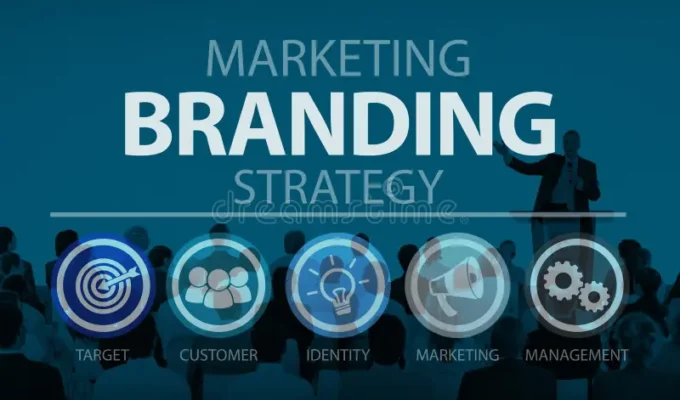
    Importance of Branding in Digital Marketing in 2026

    In today’s highly competitive digital world, having a great product or service is no longer enough. Businesses need a strong brand identity that helps them stand out, build trust, and create lasting relationships with customers.

    As digital marketing continues evolving in 2026, branding has become one of the most powerful factors influencing customer decisions, online visibility, and business growth.

    Whether you’re a startup, small business, or enterprise, a well-defined branding strategy can significantly impact your success across search engines, social media, websites, and AI-powered search platforms.

    Strong brands don’t just attract customers—they create loyal communities that drive long-term growth.


    What is Branding?

    Branding is the process of creating a unique identity for your business that differentiates it from competitors.

    A brand is much more than:

    • A logo
    • A color palette
    • A slogan

    Branding includes:

    • Business values
    • Customer experience
    • Brand voice
    • Visual identity
    • Reputation
    • Trust
    • Market positioning

    Your brand represents how customers perceive your business.

    In 2026, branding is one of the most valuable business assets a company can own.


    What is Digital Marketing Branding?

    Digital marketing branding refers to building and promoting a consistent brand presence across online platforms.

    This includes:

    • Websites
    • Social media
    • Search engines
    • Email marketing
    • Content marketing
    • Online advertising
    • AI search platforms

    A strong digital brand ensures customers recognize and trust your business wherever they interact with it online.


    Why Branding is Important in Digital Marketing

    1. Builds Trust and Credibility

    Trust is one of the biggest factors influencing purchasing decisions.

    Customers are more likely to buy from brands they:

    • Recognize
    • Trust
    • Remember

    A professional and consistent brand creates confidence and credibility.

    Strong branding signals reliability, expertise, and professionalism.

    In competitive industries, trust often becomes the deciding factor between you and your competitors.


    2. Improves Brand Recognition

    Consumers are exposed to thousands of marketing messages every day.

    Strong branding helps businesses:

    • Stand out from competitors
    • Increase brand recall
    • Improve customer recognition

    Consistent branding across all channels helps customers instantly identify your business.

    The more recognizable your brand becomes, the easier it is to attract and retain customers.


    3. Supports SEO and AI Search Visibility

    Modern search engines and AI-powered search platforms increasingly recognize strong brands.

    Brand authority influences:

    • Search rankings
    • AI-generated recommendations
    • User trust signals
    • Click-through rates

    Businesses with established branding often perform better in:

    • Organic search results
    • AI search engines
    • Voice search platforms
    • Conversational search experiences

    Branding and SEO now work together more closely than ever before.


    4. Increases Customer Loyalty

    Strong brands create emotional connections with customers.

    When customers connect with a brand’s:

    • Values
    • Mission
    • Personality
    • Experience

    They are more likely to:

    • Return for future purchases
    • Recommend the business
    • Become long-term customers

    Customer loyalty reduces acquisition costs and increases lifetime value.


    5. Enhances Marketing Effectiveness

    A strong brand makes all marketing campaigns more effective.

    Branding improves:

    • Ad performance
    • Social media engagement
    • Email marketing results
    • Website conversions
    • Content marketing success

    Customers are more likely to engage with businesses they already recognize and trust.

    Strong branding increases marketing ROI across all channels.


    6. Creates a Competitive Advantage

    In crowded markets, branding helps businesses differentiate themselves.

    Two companies may offer similar services, but customers often choose the brand they trust more.

    Effective branding helps communicate:

    • Unique value propositions
    • Expertise
    • Business personality
    • Customer benefits

    Strong differentiation leads to increased market share.


    Key Elements of a Successful Branding Strategy in 2026

    Brand Identity

    Your brand identity includes:

    • Logo
    • Typography
    • Color palette
    • Visual style
    • Design consistency

    Visual branding should remain consistent across all digital platforms.


    Brand Voice

    Your communication style should reflect your brand personality.

    Examples:

    • Professional
    • Friendly
    • Innovative
    • Authoritative
    • Creative

    A consistent voice strengthens brand recognition.


    Brand Messaging

    Clear messaging helps customers understand:

    • What you do
    • Who you help
    • Why you’re different

    Strong messaging creates clarity and improves marketing performance.


    Customer Experience

    Branding extends beyond visuals.

    Customer experience includes:

    • Website usability
    • Customer support
    • Social interactions
    • Service quality

    Every interaction shapes brand perception.


    Branding and Social Media Marketing

    Social media has become one of the most powerful branding channels.

    Platforms such as:

    • Instagram
    • Facebook
    • LinkedIn
    • YouTube

    allow businesses to:

    • Build awareness
    • Engage audiences
    • Strengthen brand identity
    • Showcase expertise

    Consistent branding across social media improves audience trust and engagement.


    Branding and Content Marketing

    Content marketing is a powerful branding tool.

    Businesses can strengthen their brand through:

    • Blogs
    • Videos
    • Case studies
    • Infographics
    • Educational content

    High-quality content positions businesses as industry leaders.

    Content marketing supports both branding and lead generation.


    Branding and Website Development

    Your website is often the first interaction customers have with your business.

    A strong branded website should include:

    • Professional design
    • Consistent visuals
    • Clear messaging
    • Fast performance
    • Mobile responsiveness

    A well-branded website improves credibility and conversion rates.


    How AI is Changing Branding in 2026

    Artificial Intelligence is transforming how brands connect with audiences.

    AI now influences:

    • Search experiences
    • Personalized marketing
    • Customer engagement
    • Content recommendations
    • Brand visibility

    Businesses must optimize branding for:

    • AI-powered search
    • Conversational AI platforms
    • Voice search
    • Generative search engines

    Strong branding helps businesses remain visible and trusted in AI-driven environments.


    Common Branding Mistakes Businesses Make

    Inconsistent Visual Identity

    Different logos, colors, or designs confuse customers.

    Weak Brand Messaging

    Unclear messaging reduces trust and engagement.

    Ignoring Customer Experience

    Poor customer experiences damage brand reputation.

    Lack of Differentiation

    Generic branding makes businesses forgettable.

    Inconsistent Online Presence

    Consistency across all digital channels is essential.

    Avoiding these mistakes strengthens overall brand performance.


    Benefits of Strong Branding

    Increased Trust

    Customers prefer recognizable brands.

    Better Lead Generation

    Trust improves conversion rates.

    Higher Customer Loyalty

    Strong brands create long-term relationships.

    Improved Marketing ROI

    Brand recognition boosts campaign performance.

    Stronger Market Position

    Brand authority supports business growth.

    Branding creates long-term business value that extends beyond individual marketing campaigns.


    Future of Branding in Digital Marketing

    Branding in 2026 is becoming:

    • More personalized
    • AI-driven
    • Experience-focused
    • Customer-centric
    • Data-informed

    Businesses that invest in strong branding today will gain:

    • Greater visibility
    • Stronger customer loyalty
    • Higher conversion rates
    • Sustainable competitive advantages

    Branding is no longer optional—it is a critical component of digital marketing success.


    Conclusion

    Branding plays a crucial role in digital marketing success in 2026.

    A strong brand helps businesses:

    • Build trust
    • Increase visibility
    • Improve SEO performance
    • Support AI search optimization
    • Generate leads
    • Strengthen customer loyalty

    In a crowded digital marketplace, businesses with clear and consistent branding stand out and grow faster.

    Companies that invest in a powerful Branding Strategy in 2026 will be better positioned for long-term success in both traditional and AI-powered digital ecosystems.

    For branding, website development, SEO, AI marketing, and digital growth solutions, visit Ausinch

  • Google Ads vs SEO – Which is Better in 2026?

    Google Ads vs SEO – Which is Better in 2026?

    In 2026, businesses are investing heavily in digital marketing to increase online visibility, generate leads, and grow revenue. Two of the most powerful online marketing strategies are:

    • Google Ads
    • Search Engine Optimization (SEO)

    Both strategies help businesses attract customers through search engines, but they work very differently.

    Many businesses ask:

    • Should I invest in SEO or Google Ads?
    • Which generates faster results?
    • Which provides better ROI?
    • Which is best for long-term growth?

    The answer depends on business goals, competition, budget, and marketing strategy.

    In reality, both SEO and Google Ads are powerful when used correctly — but understanding their differences is essential for making the right decision.


    What is Google Ads?

    Google Ads is a paid advertising platform where businesses pay to appear at the top of search results instantly.

    Businesses can run:

    • Search ads
    • Display ads
    • Shopping ads
    • Video ads
    • App promotions

    Google Ads works on a Pay-Per-Click (PPC) model, meaning businesses pay whenever users click on their ads.

    Google Ads provides:

    • Immediate visibility
    • Fast traffic
    • Quick lead generation
    • Targeted advertising

    It is ideal for businesses looking for instant results.


    What is SEO?

    SEO (Search Engine Optimization) is the process of optimizing websites to rank organically in search engine results.

    SEO focuses on:

    • Keyword optimization
    • Content marketing
    • Technical SEO
    • Website speed
    • Backlinks
    • User experience
    • AI search optimization

    Unlike Google Ads, SEO traffic is free and long-term.

    SEO helps businesses:

    • Build authority
    • Increase organic traffic
    • Improve search visibility
    • Generate consistent leads

    SEO is a long-term digital growth strategy.


    Google Ads vs SEO: Key Differences

    Google AdsSEO
    Paid trafficOrganic traffic
    Instant resultsLong-term growth
    Pay per clickFree clicks
    Immediate visibilityGradual ranking improvement
    Short-term campaignsSustainable traffic
    Budget-dependentContent and optimization-focused
    Stops when ads stopContinues generating traffic

    Both strategies have unique advantages depending on business needs.


    Advantages of Google Ads

    1. Instant Visibility

    Google Ads helps businesses appear at the top of search results immediately.

    This is useful for:

    • New businesses
    • Product launches
    • Promotions
    • Seasonal campaigns

    Businesses can start generating traffic within hours.


    2. Fast Lead Generation

    Google Ads is ideal for businesses needing quick results.

    It helps generate:

    • Leads
    • Sales
    • Website traffic
    • Phone calls
    • Conversions

    PPC campaigns can deliver immediate business opportunities.


    3. Highly Targeted Advertising

    Google Ads allows businesses to target:

    • Keywords
    • Locations
    • Devices
    • Interests
    • Demographics
    • User behavior

    Advanced targeting improves campaign efficiency and ROI.


    4. Scalable Campaigns

    Businesses can scale advertising budgets based on:

    • Performance
    • Conversions
    • Marketing goals

    Google Ads offers flexible campaign management.


    5. Works Well for Competitive Keywords

    Highly competitive keywords may take months to rank organically.

    Google Ads allows businesses to gain immediate visibility for competitive searches.


    Disadvantages of Google Ads

    Expensive Long-Term

    Businesses pay continuously for traffic.

    Traffic Stops When Ads Stop

    Once campaigns pause, visibility disappears.

    High Competition Costs

    Competitive industries often have expensive CPC rates.

    Requires Continuous Optimization

    Ad campaigns need ongoing monitoring and adjustments.


    Advantages of SEO

    1. Long-Term Organic Traffic

    SEO helps websites generate sustainable traffic over time.

    Unlike paid ads, SEO traffic continues without paying for every click.

    SEO provides long-term digital visibility.


    2. Higher Trust and Credibility

    Users often trust organic results more than paid advertisements.

    Top organic rankings improve:

    • Brand authority
    • Customer confidence
    • Business credibility

    SEO builds stronger long-term trust.


    3. Better ROI Over Time

    Although SEO takes time, it often delivers higher long-term ROI compared to paid advertising.

    Well-optimized websites continue generating traffic and leads for years.


    4. Supports AI Search Optimization

    Modern AI-powered search engines prioritize:

    • Helpful content
    • User experience
    • Semantic relevance
    • Website authority

    SEO now supports:

    • AI search visibility
    • Voice search optimization
    • Conversational search
    • Generative AI rankings

    SEO is becoming increasingly important in AI-driven search ecosystems.


    5. Improves Overall Website Quality

    SEO improves:

    • Website speed
    • Mobile optimization
    • User experience
    • Content structure
    • Technical performance

    These improvements benefit both users and search rankings.


    Disadvantages of SEO

    Slow Results

    SEO takes time to build rankings and authority.

    Competitive Industries Require Strong Strategy

    Ranking in competitive markets can be challenging.

    Continuous Optimization Needed

    SEO requires ongoing content updates and improvements.

    Algorithm Changes

    Search engine updates can affect rankings.


    When Google Ads is Better

    Google Ads works best for:

    • Immediate lead generation
    • Product launches
    • Time-sensitive promotions
    • New businesses
    • Seasonal campaigns
    • Competitive industries

    Businesses needing quick visibility benefit greatly from PPC advertising.


    When SEO is Better

    SEO is ideal for:

    • Long-term growth
    • Brand authority
    • Organic traffic
    • Sustainable marketing
    • AI search optimization
    • Content-driven businesses

    Businesses seeking consistent digital growth should invest heavily in SEO.


    Why Businesses Should Use Both SEO and Google Ads

    The best digital marketing strategy in 2026 combines both SEO and Google Ads.

    Using both provides:

    • Immediate traffic from ads
    • Long-term growth from SEO
    • Better brand visibility
    • Stronger search presence
    • Increased lead generation

    SEO and PPC together create a powerful full-funnel marketing strategy.


    How AI is Changing SEO and Google Ads

    Artificial Intelligence is transforming digital marketing rapidly.

    AI now influences:

    • Search rankings
    • Ad targeting
    • Content optimization
    • User behavior analysis
    • Conversational search
    • Predictive advertising

    Businesses must optimize for:

    • AI search engines
    • AI-generated search results
    • Conversational SEO
    • Smart advertising systems

    AI-powered marketing strategies are becoming essential in 2026.


    SEO vs Google Ads for Small Businesses

    Small businesses often struggle with limited budgets.

    SEO is valuable for:

    • Long-term visibility
    • Local SEO
    • Content marketing
    • Sustainable growth

    Google Ads is useful for:

    • Quick local leads
    • Promotions
    • Immediate visibility

    Combining local SEO with targeted ads often delivers the best results for small businesses.


    SEO vs Google Ads Cost Comparison

    FactorGoogle AdsSEO
    Initial CostMedium to HighMedium
    Long-Term CostContinuousLower over time
    Traffic SustainabilityTemporaryLong-term
    ROI TimelineFastGradual
    ScalabilityImmediateLong-term growth

    Businesses should balance short-term and long-term marketing goals.


    Future of Search Marketing in 2026

    Search marketing is becoming:

    • AI-driven
    • Conversational
    • Personalized
    • Voice-search focused
    • Intent-based

    Future SEO and advertising strategies will heavily depend on:

    • AI Search Optimization
    • User experience
    • Content quality
    • Semantic SEO
    • AI-powered targeting

    Businesses that adapt early will dominate digital visibility.


    Conclusion

    Both Google Ads and SEO are powerful digital marketing strategies in 2026.

    Google Ads provides:

    • Instant traffic
    • Fast leads
    • Immediate visibility

    SEO provides:

    • Long-term growth
    • Organic traffic
    • Higher trust
    • AI search visibility

    The best strategy depends on business goals, budget, competition, and growth plans.

    For maximum digital success, businesses should combine SEO and Google Ads into a unified marketing strategy.

    Companies investing in both paid and organic search will achieve stronger online visibility, better lead generation, and sustainable long-term growth.

    For SEO services, Google Ads management, AI SEO, website development, and digital marketing solutions, visit Ausinch

  • How Blogs Help Businesses Generate Leads in 2026

    How Blogs Help Businesses Generate Leads in 2026

    In 2026, blogging remains one of the most powerful digital marketing strategies for businesses looking to generate consistent leads, increase brand visibility, and build long-term customer trust.

    As AI-powered search engines, voice search, and content-driven marketing continue evolving, businesses that publish high-quality blogs gain a significant competitive advantage online.

    Modern consumers rarely make instant purchasing decisions. Instead, they:

    • Search online for information
    • Compare solutions
    • Read blog articles
    • Research companies
    • Explore reviews
    • Learn about products and services

    This is where lead generation blogs become extremely valuable.

    A well-optimized business blog helps attract targeted visitors, educate potential customers, and convert readers into qualified leads.


    What are Lead Generation Blogs?

    Lead generation blogs are strategically created blog articles designed to:

    • Attract potential customers
    • Build trust
    • Educate audiences
    • Increase website traffic
    • Capture customer interest
    • Generate inquiries and sales

    Unlike generic content, lead generation blogs focus on solving customer problems while guiding readers toward business services or products.

    These blogs help businesses turn website visitors into:

    • Leads
    • Subscribers
    • Customers
    • Clients

    In 2026, blogs are not just content — they are powerful business growth tools.


    Why Blogging is Important for Businesses

    Businesses today compete heavily for online visibility.

    Blogging helps businesses:

    • Rank higher in search engines
    • Improve AI search visibility
    • Build authority
    • Generate organic traffic
    • Increase conversions
    • Support SEO strategies

    Companies without blogs often struggle to compete in modern search ecosystems.

    Consistent blogging improves long-term digital growth.


    How Blogs Generate Leads for Businesses

    1. Blogs Increase Organic Traffic

    High-quality blogs help businesses rank in search engines like Google and AI-powered search platforms.

    When users search for:

    • Solutions
    • Services
    • Industry information
    • Product comparisons

    Optimized blogs appear in search results and attract targeted traffic.

    More traffic means more opportunities to generate leads and customers.


    2. Blogs Build Trust and Authority

    Modern consumers trust businesses that provide valuable information.

    Educational blog content helps businesses:

    • Demonstrate expertise
    • Build credibility
    • Establish industry authority

    When businesses consistently publish helpful content, potential customers are more likely to trust their services.

    Trust plays a major role in lead generation and conversions.


    3. Blogs Improve SEO Performance

    Blogging is one of the strongest SEO strategies in 2026.

    Blogs help improve:

    • Keyword rankings
    • Search visibility
    • Website indexing
    • Internal linking
    • Topical authority

    Search engines prioritize websites that regularly publish relevant, high-quality content.

    Lead generation blogs help businesses rank for valuable search queries related to their services.


    4. Blogs Attract Targeted Audiences

    Strategic blogs target specific customer interests and search intent.

    Businesses can create blogs around:

    • Industry problems
    • Customer pain points
    • Frequently asked questions
    • Product solutions
    • Service benefits

    This attracts users already interested in related services, increasing the chances of conversion.

    Targeted traffic generates higher-quality leads.


    5. Blogs Support AI Search Optimization

    AI-powered search engines now prioritize:

    • Helpful content
    • Conversational information
    • Well-structured answers
    • Topic authority

    Businesses with optimized blogs perform better in:

    • AI-generated search results
    • Conversational AI answers
    • Voice search responses

    Blogging is becoming essential for AI Search Optimization and Generative SEO.


    6. Blogs Generate Long-Term Traffic

    Unlike paid ads, blogs continue generating traffic over time.

    A single high-ranking blog can:

    • Attract visitors for years
    • Generate ongoing leads
    • Improve brand visibility
    • Support multiple marketing campaigns

    Blogs provide long-term digital marketing value with consistent ROI.


    7. Blogs Improve Conversion Opportunities

    Well-structured blogs guide readers toward business actions.

    Businesses can add:

    • Contact forms
    • Call-to-action buttons
    • Service links
    • Newsletter signups
    • Consultation offers

    These conversion opportunities help transform readers into leads.

    Blogs become effective lead generation funnels when optimized correctly.


    8. Blogs Support Content Marketing Strategies

    Blogs are central to modern content marketing.

    Businesses can repurpose blog content into:

    • Social media posts
    • Email marketing
    • Videos
    • Infographics
    • AI search snippets

    This expands reach and improves overall marketing performance.

    Blogs fuel multi-channel digital marketing campaigns.


    9. Blogs Improve Customer Education

    Educational content helps customers understand:

    • Services
    • Products
    • Industry trends
    • Business solutions

    Informed customers are more likely to:

    • Trust businesses
    • Engage with services
    • Make purchasing decisions

    Blogs reduce customer confusion and improve buying confidence.


    10. Blogs Help Businesses Rank for Long-Tail Keywords

    Long-tail keywords are highly valuable for lead generation.

    Examples:

    • Best website development company in India
    • How AI SEO works in 2026
    • Cybersecurity services for businesses

    Blogs help businesses target highly specific search queries with lower competition and higher conversion intent.

    Long-tail SEO drives qualified traffic and leads.


    Best Types of Blogs for Lead Generation

    Educational Blogs

    Teach audiences about industry topics.

    Problem-Solution Blogs

    Address customer pain points.

    Case Studies

    Show real business results.

    Industry Trend Blogs

    Discuss future technologies and strategies.

    How-To Guides

    Provide actionable instructions.

    Comparison Blogs

    Compare products, services, or solutions.

    Strategic content types improve engagement and conversions.


    Essential Features of High-Converting Blogs

    Strong Headlines

    Attention-grabbing titles improve clicks.

    SEO Optimization

    Use keywords naturally and strategically.

    Conversational Content

    AI search engines prefer natural language.

    Clear Structure

    Use headings, bullet points, and short paragraphs.

    Call-to-Actions

    Guide readers toward business actions.

    Mobile-Friendly Design

    Optimize for smartphone users.

    Fast Loading Speed

    Improve user experience and rankings.


    How AI is Changing Business Blogging

    Artificial Intelligence is transforming content marketing rapidly.

    AI-powered search systems analyze:

    • Search intent
    • User engagement
    • Content relevance
    • Semantic relationships

    Businesses must now optimize blogs for:

    • AI-generated search results
    • Conversational SEO
    • Voice search
    • Generative AI visibility

    AI-friendly blogs perform better in modern search ecosystems.


    Common Blogging Mistakes Businesses Make

    Publishing Thin Content

    Low-quality blogs rarely rank well.

    Ignoring SEO

    Without optimization, blogs lose visibility.

    Inconsistent Publishing

    Regular content builds authority.

    Weak Call-to-Actions

    Blogs should guide users toward action.

    Poor User Experience

    Slow or cluttered blogs reduce engagement.

    Avoiding these mistakes improves lead generation performance significantly.


    Benefits of Blogging for Business Growth

    Increased Website Traffic

    More visibility brings more visitors.

    Higher Lead Generation

    Optimized blogs attract qualified leads.

    Better Search Rankings

    SEO-friendly blogs improve rankings.

    Improved Brand Authority

    Consistent expertise builds trust.

    Long-Term Marketing ROI

    Blogs continue performing over time.

    Business blogging remains one of the highest ROI digital marketing strategies.


    Future of Lead Generation Blogging

    Business blogging will continue evolving with:

    • AI-powered search
    • Conversational SEO
    • Voice search optimization
    • Personalized content
    • AI-generated recommendations

    Businesses investing in strategic blogging today will dominate future digital visibility.

    Content-driven lead generation will become even more important in AI-powered marketing ecosystems.


    Conclusion

    In 2026, blogs remain one of the most effective ways for businesses to generate leads online.

    High-quality blogs help businesses:

    • Increase traffic
    • Build authority
    • Improve SEO
    • Support AI search visibility
    • Generate conversions

    Businesses that consistently publish valuable, optimized content gain long-term competitive advantages in digital marketing.

    Lead generation blogging is no longer optional — it is a core business growth strategy.

    For SEO blogging, AI Search Optimization, website development, and digital marketing solutions, visit Ausinch

  • Local SEO Tips for Indian Businesses in 2026

    Local SEO Tips for Indian Businesses in 2026

    In 2026, Local SEO has become one of the most powerful digital marketing strategies for businesses in India. As mobile searches, AI-powered search engines, and “near me” searches continue growing rapidly, businesses must optimize their online presence to attract local customers effectively.

    Indian consumers now rely heavily on:

    • Google Search
    • Google Maps
    • Voice search
    • AI assistants
    • Mobile searches
    • Online reviews

    Before visiting a store, booking a service, or purchasing a product, customers often search online for nearby businesses.

    This makes Local SEO essential for:

    • Small businesses
    • Startups
    • Restaurants
    • Clinics
    • Real estate companies
    • Retail stores
    • Service providers
    • Agencies

    Businesses that invest in Local SEO in India gain:

    • Better visibility
    • More local traffic
    • Higher conversions
    • Increased trust
    • Stronger online presence

    What is Local SEO?

    Local SEO (Local Search Engine Optimization) is the process of optimizing a business’s online presence to appear in local search results.

    Local SEO helps businesses rank for searches like:

    • “Best digital marketing agency near me”
    • “Top restaurant in Bangalore”
    • “Website development company in India”
    • “SEO services near me”

    Local SEO focuses on improving visibility in:

    • Google Maps
    • Local search results
    • AI-generated local recommendations
    • Voice search results

    In 2026, local search optimization is becoming increasingly AI-driven and mobile-focused.


    Why Local SEO is Important for Indian Businesses

    India’s digital economy is growing rapidly.

    Millions of users search online daily for:

    • Local products
    • Nearby services
    • Restaurants
    • Healthcare providers
    • Shopping stores
    • Professional services

    Local SEO helps businesses:

    • Reach nearby customers
    • Increase local traffic
    • Improve online credibility
    • Generate leads
    • Increase sales

    Without Local SEO, businesses risk losing customers to competitors with stronger online visibility.


    Top Local SEO Tips for Indian Businesses

    1. Optimize Your Google Business Profile

    Your Google Business Profile is one of the most important Local SEO tools.

    Businesses should:

    • Add accurate business information
    • Upload high-quality images
    • Update business hours
    • Add contact details
    • Write optimized descriptions

    A fully optimized profile improves visibility in:

    • Google Maps
    • Local search results
    • AI-generated recommendations

    Google Business optimization is essential for Local SEO success.


    2. Use Local Keywords Strategically

    Local keyword optimization helps search engines understand your business location and services.

    Examples:

    • Digital marketing agency in Bangalore
    • SEO company in Mumbai
    • Website development India
    • Local SEO Indian businesses

    Use local keywords naturally in:

    • Website pages
    • Blog posts
    • Meta descriptions
    • Headings
    • URLs

    Local keyword targeting improves local search visibility significantly.


    3. Optimize for Mobile Search

    Most local searches in India happen on smartphones.

    Mobile-friendly websites improve:

    • User experience
    • SEO rankings
    • Local engagement
    • Conversion rates

    Businesses should focus on:

    • Responsive design
    • Fast loading speed
    • Mobile navigation
    • Click-to-call functionality

    Mobile optimization is critical for Local SEO in 2026.


    4. Encourage Customer Reviews

    Online reviews strongly influence local search rankings and customer trust.

    Positive reviews improve:

    • Brand reputation
    • Google rankings
    • Customer confidence
    • Click-through rates

    Encourage customers to leave reviews on:

    • Google
    • Social platforms
    • Local directories

    Responding to reviews also improves engagement and credibility.


    5. Optimize for Voice Search

    Voice search is rapidly growing in India with AI assistants and smartphones.

    Users now search conversationally:

    • “Best café near me”
    • “Top SEO agency in Bangalore”
    • “Nearest web design company”

    Optimize voice SEO using:

    • Conversational keywords
    • FAQ sections
    • Natural language content

    Voice search optimization supports Local SEO visibility significantly.


    6. Create Location-Specific Content

    Publishing local content helps businesses build regional relevance.

    Examples:

    • SEO services in Bangalore
    • Website development trends in India
    • Best digital marketing strategies for Indian businesses

    Location-focused blog content improves:

    • Local authority
    • Search visibility
    • Customer trust

    Localized content helps AI search engines understand regional relevance.


    7. Maintain NAP Consistency

    NAP stands for:

    • Name
    • Address
    • Phone Number

    Businesses should maintain consistent NAP information across:

    • Websites
    • Google Business Profile
    • Social media
    • Directories

    Inconsistent information confuses search engines and reduces local rankings.

    Consistency improves trust and local SEO performance.


    8. Use Local Business Schema Markup

    Schema markup helps search engines understand business information better.

    Local business schema improves visibility in:

    • Rich snippets
    • AI search summaries
    • Voice search
    • Google Maps

    Schema data may include:

    • Business name
    • Location
    • Contact details
    • Ratings
    • Operating hours

    Structured data is increasingly important for AI-powered local search.


    9. Build High-Quality Local Backlinks

    Backlinks from trusted local websites improve:

    • Authority
    • Rankings
    • Brand visibility

    Businesses can gain local backlinks through:

    • Local partnerships
    • News websites
    • Business directories
    • Industry blogs

    Strong backlink profiles improve Local SEO performance significantly.


    10. Improve Website Speed and UX

    Fast websites rank better and provide better user experiences.

    Optimize:

    • Loading speed
    • Mobile responsiveness
    • Navigation
    • Security
    • Accessibility

    AI search engines prioritize websites with excellent user experience.

    Technical optimization supports Local SEO success.


    11. Add Location Pages for Multiple Cities

    Businesses operating in multiple cities should create dedicated location pages.

    Examples:

    • SEO services in Delhi
    • Website development in Chennai
    • Digital marketing in Hyderabad

    Location pages improve:

    • Regional targeting
    • Local keyword rankings
    • Search visibility

    City-focused pages help businesses dominate multiple local markets.


    12. Use Social Media for Local Visibility

    Social media platforms improve local engagement and brand awareness.

    Businesses should actively use:

    • Instagram
    • Facebook
    • LinkedIn
    • YouTube

    Local social engagement improves:

    • Brand authority
    • Customer trust
    • Local traffic

    Social signals support broader Local SEO strategies.


    How AI is Changing Local SEO in 2026

    Artificial Intelligence is transforming local search experiences.

    AI search engines now analyze:

    • User intent
    • Location relevance
    • Search behavior
    • Conversational queries
    • Review sentiment

    AI-powered local search systems prioritize:

    • Trusted businesses
    • Well-optimized profiles
    • High-quality content
    • Positive customer experiences

    Businesses must optimize for:

    • AI search visibility
    • Conversational SEO
    • Voice search
    • Generative AI recommendations

    AI-driven Local SEO is becoming the future of digital visibility.


    Common Local SEO Mistakes Businesses Make

    Incomplete Google Profiles

    Missing business information reduces visibility.

    Poor Mobile Optimization

    Mobile experience directly impacts rankings.

    Ignoring Reviews

    Negative or missing reviews reduce trust.

    Weak Local Content

    Generic content performs poorly locally.

    Inconsistent NAP Information

    Conflicting business details confuse search engines.

    Avoiding these mistakes improves Local SEO performance significantly.


    Benefits of Local SEO for Indian Businesses

    Increased Local Visibility

    Reach nearby customers more effectively.

    Higher Website Traffic

    Generate qualified local visitors.

    Better Customer Trust

    Strong local presence improves credibility.

    Improved Conversion Rates

    Local searches often lead to direct actions.

    Competitive Advantage

    Outrank competitors in local markets.

    Local SEO is one of the highest ROI digital marketing strategies for businesses in India.


    Future of Local SEO in India

    Local SEO will continue evolving with:

    • AI-powered search
    • Voice assistants
    • Hyper-local targeting
    • Personalized recommendations
    • Conversational search
    • Mobile-first experiences

    Businesses investing in Local SEO today will gain long-term advantages in digital visibility and customer acquisition.


    Conclusion

    Local SEO is essential for Indian businesses in 2026.

    As AI-powered search, mobile browsing, and voice search continue growing, businesses must optimize for:

    • Local visibility
    • Mobile users
    • AI search engines
    • Conversational queries
    • Customer trust

    A strong Local SEO strategy helps businesses:

    • Attract nearby customers
    • Improve rankings
    • Increase leads
    • Grow brand authority

    Businesses that invest in Local SEO early will dominate local digital markets in the future.

    For Local SEO services, AI SEO, website development, and digital marketing solutions, visit Ausinch

  • Voice Search SEO in 2026

    Voice Search SEO in 2026

    The way people search online is changing rapidly in 2026. Instead of typing short keywords into search engines, users are increasingly speaking naturally to AI assistants, smartphones, smart speakers, and voice-enabled devices.

    Voice Search SEO has become one of the most important digital marketing strategies for businesses that want to stay visible in the future of AI-powered search.

    Modern users now ask conversational questions like:

    • “What’s the best digital marketing agency near me?”
    • “Which company provides AI SEO services?”
    • “How can I improve my website ranking?”

    This shift toward conversational search is transforming how websites are optimized online.

    Businesses that adapt to Voice Search Optimization early will gain a major advantage in:

    • Search visibility
    • Local SEO
    • AI search rankings
    • Mobile traffic
    • Customer engagement

    What is Voice Search SEO?

    Voice Search SEO is the process of optimizing websites and content to rank in voice-based search results.

    Voice searches are performed through:

    • Smartphones
    • Smart speakers
    • AI assistants
    • Voice-enabled browsers
    • Wearable devices

    Popular voice assistants include:

    • Google Assistant
    • Apple Siri
    • Amazon Alexa
    • Microsoft Copilot
    • OpenAI AI assistants

    Voice Search Optimization helps businesses appear in:

    • Voice assistant answers
    • AI-generated search responses
    • Conversational search results
    • Local search recommendations

    Why Voice Search is Growing in 2026

    Voice search usage continues to rise because it is:

    • Faster
    • More convenient
    • Hands-free
    • Conversational
    • AI-powered

    Users increasingly rely on voice search for:

    • Local business searches
    • Shopping queries
    • Directions
    • Product research
    • Customer support
    • Information discovery

    AI-powered voice assistants are making search experiences more natural and human-like.

    Voice-first digital experiences are becoming a major part of modern SEO.


    How Voice Search SEO is Different from Traditional SEO

    Traditional SEO focused heavily on:

    • Short keywords
    • Typed searches
    • Exact keyword matching

    Voice Search SEO focuses more on:

    • Conversational queries
    • Natural language
    • Search intent
    • Question-based searches
    • AI understanding

    Example:

    Traditional Search:
    “best SEO agency India”

    Voice Search:
    “Which is the best SEO agency in India for AI search optimization?”

    Voice queries are typically:

    • Longer
    • More conversational
    • Question-based
    • Intent-focused

    Businesses must adapt their SEO strategies accordingly.


    How Voice Search Works

    Voice search uses:

    • Artificial Intelligence
    • Natural Language Processing (NLP)
    • Speech recognition
    • Machine learning
    • Semantic search

    Voice assistants analyze:

    • User intent
    • Context
    • Conversational language
    • Search history
    • Location data

    AI systems then generate the most relevant answer instantly.

    This makes voice search highly personalized and intent-driven.


    Why Voice Search Optimization Matters for Businesses

    Voice search is changing digital visibility rapidly.

    Businesses optimized for voice search gain:

    • Higher search visibility
    • Better mobile traffic
    • More local leads
    • Improved AI search rankings
    • Stronger customer engagement

    Companies that ignore voice SEO risk losing visibility in:

    • AI assistants
    • Conversational search
    • Mobile search results
    • Smart device ecosystems

    Voice search is becoming essential for future-ready SEO strategies.


    Best Voice Search SEO Strategies in 2026

    1. Use Conversational Keywords

    Voice searches sound natural and human-like.

    Instead of short keywords, optimize for:

    • Full questions
    • Long-tail keywords
    • Conversational phrases

    Example:

    • “How does AI SEO work?”
    • “What are the best website design trends in 2026?”

    Conversational content improves voice search rankings significantly.


    2. Optimize for Question-Based Searches

    Most voice searches are questions.

    Use:

    • FAQ sections
    • Question-style headings
    • Direct answers

    Examples:

    • What is Voice Search SEO?
    • How does voice search work?
    • Why is voice search important?

    Question-focused content performs better in AI-generated voice answers.


    3. Focus on Featured Snippets

    Voice assistants often read featured snippets directly from search results.

    To improve snippet visibility:

    • Use concise answers
    • Add bullet points
    • Structure content clearly
    • Use short paragraphs

    Snippet optimization increases chances of appearing in voice search responses.


    4. Improve Website Speed

    Voice search users expect instant answers.

    Fast-loading websites improve:

    • User experience
    • Mobile performance
    • AI search visibility
    • SEO rankings

    Website speed is a major ranking factor for voice SEO.


    5. Optimize for Mobile Devices

    Most voice searches happen on smartphones.

    Mobile-friendly websites should include:

    • Responsive design
    • Fast loading
    • Easy navigation
    • Touch optimization

    Google prioritizes mobile-first websites in voice search rankings.


    6. Use Structured Data (Schema Markup)

    Schema markup helps AI systems understand website content better.

    Structured data improves visibility in:

    • Rich snippets
    • AI summaries
    • Voice search answers
    • Knowledge panels

    Important schema types include:

    • FAQ schema
    • Local business schema
    • Organization schema
    • Article schema

    Structured data is critical for voice search optimization.


    7. Focus on Local SEO

    Many voice searches are location-based.

    Examples:

    • “Best restaurant near me”
    • “Top SEO company in Bangalore”
    • “Closest digital marketing agency”

    Optimize for local search using:

    • Google Business Profile
    • Local keywords
    • NAP consistency
    • Local schema markup

    Local SEO and voice search are strongly connected.


    8. Create AI-Friendly Content

    AI systems prefer:

    • Well-structured content
    • Clear headings
    • Natural language
    • Short answer sections

    Voice search content should be easy for AI systems to extract and summarize.


    9. Improve User Experience (UX)

    Voice search optimization also depends on user experience.

    Important UX factors include:

    • Fast loading speed
    • Mobile responsiveness
    • Easy readability
    • Secure HTTPS websites

    Positive user experience improves SEO and AI search visibility.


    10. Optimize for Semantic Search

    AI search engines understand context and meaning rather than exact keywords.

    Semantic SEO focuses on:

    • Topic relevance
    • Entity relationships
    • Contextual understanding

    Businesses should create comprehensive content around topics instead of relying only on keyword repetition.


    Voice Search and AI Search Engines

    Voice search is closely connected to AI-powered search systems.

    AI assistants use:

    • Generative AI
    • Natural language understanding
    • Conversational AI
    • Predictive search

    Modern AI search engines prioritize:

    • Conversational content
    • Search intent
    • User-focused experiences

    Voice SEO is becoming part of broader AI Search Optimization strategies.


    Common Voice Search SEO Mistakes

    Ignoring Conversational Queries

    Voice searches are natural and question-based.

    Slow Website Speed

    Slow websites perform poorly in voice search.

    Weak Mobile Optimization

    Mobile experience is critical.

    No Structured Data

    Schema markup improves AI understanding.

    Keyword Stuffing

    AI systems prefer natural language.

    Avoiding these mistakes improves voice search visibility significantly.


    Future of Voice Search SEO

    Voice search technology will continue growing rapidly.

    Future trends include:

    • AI voice assistants
    • Conversational AI search
    • Smart home search systems
    • Real-time AI recommendations
    • Voice commerce
    • Multilingual voice search

    Businesses investing in voice search optimization today will gain long-term advantages in digital visibility.


    Conclusion

    Voice Search SEO is becoming essential for businesses in 2026.

    As AI-powered search and voice assistants continue evolving, businesses must optimize for:

    • Conversational queries
    • Natural language
    • Mobile-first experiences
    • AI-generated answers
    • Voice assistant visibility

    Voice Search Optimization improves:

    • Search rankings
    • Mobile traffic
    • Customer engagement
    • Local visibility
    • AI search performance

    Businesses that embrace voice SEO early will be better positioned for the future of AI-driven search.

    For Voice Search Optimization, AI SEO, website development, and advanced digital marketing solutions, visit Ausinch

  • How to Rank in AI Search Results in 2026

    How to Rank in AI Search Results in 2026

    The future of search is rapidly evolving with Artificial Intelligence. In 2026, traditional SEO alone is no longer enough to dominate online visibility. Search engines and AI-powered platforms now use advanced AI systems to understand user intent, generate direct answers, and recommend the most relevant content instantly.

    Businesses that want to succeed online must now focus on AI Search Optimization.

    Modern AI search platforms like:

    • Google AI Search
    • OpenAI ChatGPT
    • Perplexity AI
    • Microsoft Copilot
    • Anthropic Claude

    are changing how websites gain visibility online.

    Instead of relying only on keyword rankings, AI search engines now prioritize:

    • Search intent
    • Content quality
    • Semantic relevance
    • User experience
    • Trustworthiness
    • Conversational optimization

    Businesses that adapt early to AI search optimization strategies will gain a major competitive advantage in traffic, authority, and digital visibility.


    What is AI Search Optimization?

    AI Search Optimization is the process of optimizing websites and content for AI-powered search engines and generative AI platforms.

    It focuses on helping AI systems:

    • Understand your content
    • Trust your website
    • Recommend your pages
    • Use your information in AI-generated answers

    AI search optimization combines:

    • SEO
    • AEO (Answer Engine Optimization)
    • GEO (Generative Engine Optimization)
    • Semantic SEO
    • Conversational content strategies

    In 2026, ranking in AI search results requires content that is designed for both humans and AI systems.


    How AI Search Engines Work

    AI search engines use:

    • Machine learning
    • Natural language processing
    • Semantic analysis
    • Generative AI
    • Knowledge graphs

    Unlike traditional search engines, AI platforms understand:

    • Context
    • User behavior
    • Search intent
    • Conversational queries
    • Entity relationships

    AI search systems now generate summarized answers instead of simply showing blue links.

    This means businesses must optimize content differently than before.


    Why Ranking in AI Search Results Matters

    AI-powered search is transforming online visibility.

    Modern users increasingly search through:

    • AI assistants
    • Voice search
    • Conversational AI tools
    • AI-generated summaries
    • Smart recommendation engines

    Businesses ranking in AI search results gain:

    • Higher authority
    • Increased traffic
    • Better brand visibility
    • More customer trust
    • Improved lead generation

    Companies ignoring AI search optimization risk losing visibility rapidly.


    Best Strategies to Rank in AI Search Results

    1. Create High-Quality, Authoritative Content

    AI systems prioritize content that is:

    • Accurate
    • Helpful
    • Detailed
    • Trustworthy
    • Well-structured

    Thin or low-value content performs poorly in AI search environments.

    High-quality content should:

    • Answer user questions clearly
    • Provide actionable insights
    • Cover topics comprehensively
    • Demonstrate expertise

    AI search engines reward content that genuinely helps users.


    2. Optimize for Search Intent

    Modern AI search engines focus heavily on understanding user intent.

    Your content should address:

    • Informational intent
    • Transactional intent
    • Commercial intent
    • Navigational intent

    Instead of targeting only keywords, focus on:

    • What users want
    • Why they are searching
    • What answers they need

    Intent-focused content ranks better in AI-generated search results.


    3. Use Conversational Content

    AI search systems understand natural human language.

    Content written conversationally performs better than robotic keyword-heavy writing.

    Use:

    • Natural phrasing
    • Question-based headings
    • Conversational tone
    • FAQ sections

    Example:
    Instead of:
    “Best SEO agency India”

    Use:
    “What is the best SEO agency for AI search optimization in India?”

    Conversational optimization improves AI visibility significantly.


    4. Build Topic Authority

    AI search engines prioritize websites with strong topical authority.

    This means businesses should:

    • Cover topics deeply
    • Publish related articles
    • Build content clusters
    • Demonstrate expertise consistently

    Topical authority helps AI systems trust your website more.

    Websites with comprehensive content ecosystems perform better in AI search.


    5. Optimize for Featured Snippets and AI Summaries

    AI platforms often extract information from concise and structured answers.

    To improve visibility:

    • Use short answer paragraphs
    • Add bullet points
    • Include FAQs
    • Structure headings clearly

    Content optimized for snippets has higher chances of appearing in:

    • Google AI Overviews
    • AI-generated answers
    • Voice search responses

    6. Focus on E-E-A-T

    E-E-A-T stands for:

    • Experience
    • Expertise
    • Authority
    • Trustworthiness

    AI search engines prioritize trustworthy content sources.

    Improve E-E-A-T by:

    • Publishing expert content
    • Adding author credibility
    • Citing reliable information
    • Maintaining website security
    • Building brand authority

    Trust signals are becoming critical ranking factors in AI search.


    7. Improve Technical SEO

    Technical optimization remains important for AI search rankings.

    Essential technical SEO factors include:

    • Fast loading speed
    • Mobile responsiveness
    • Secure HTTPS websites
    • Structured data
    • Clean website architecture
    • Crawlability

    AI systems prefer websites that are technically optimized and easy to understand.


    8. Use Structured Data (Schema Markup)

    Structured data helps AI search engines interpret content more effectively.

    Schema markup improves visibility in:

    • Rich snippets
    • AI summaries
    • Voice search
    • Knowledge panels

    Common schema types include:

    • FAQ schema
    • Article schema
    • Organization schema
    • Product schema

    Structured data is becoming increasingly important for AI SEO.


    9. Optimize for Voice Search

    Voice search is growing rapidly with AI assistants.

    Voice queries are typically:

    • Longer
    • Conversational
    • Question-based

    Optimize voice search content using:

    • Natural language
    • FAQ sections
    • Conversational formatting

    Voice search optimization supports AI search visibility directly.


    10. Create AI-Friendly Content Structure

    AI systems prefer well-organized content.

    Best practices include:

    • Clear headings
    • Short paragraphs
    • Bullet points
    • Tables
    • Logical structure

    AI readability improves content extraction and summarization.


    11. Improve User Experience (UX)

    AI search engines evaluate user engagement signals.

    Good UX improves:

    • Time on site
    • Bounce rates
    • Engagement
    • Conversion rates

    Modern websites should be:

    • Fast
    • Mobile-friendly
    • Easy to navigate
    • Visually clean

    User experience is now a major AI ranking factor.


    12. Build Brand Authority Online

    AI systems recognize strong brands more easily.

    Businesses should build authority through:

    • Consistent branding
    • Social presence
    • Backlinks
    • Content marketing
    • Industry expertise

    Brand trust increases AI search visibility significantly.


    Common Mistakes That Hurt AI Search Rankings

    Keyword Stuffing

    AI systems prioritize natural language over keyword repetition.

    Thin Content

    Short, low-value pages perform poorly.

    Ignoring Mobile Optimization

    Mobile experience affects AI rankings heavily.

    Poor Website Speed

    Slow websites reduce user satisfaction and visibility.

    Weak Content Structure

    Disorganized content is harder for AI to interpret.


    AI SEO vs Traditional SEO

    Traditional SEOAI Search Optimization
    Keyword-focusedIntent-focused
    Blue link rankingsAI-generated visibility
    Exact keywordsSemantic relevance
    Static resultsConversational answers
    Basic search optimizationAI understanding optimization

    The future of SEO is becoming more AI-driven and user-focused.


    Future of AI Search Optimization

    AI search technology will continue evolving rapidly.

    Future trends include:

    • Conversational AI search
    • Predictive search engines
    • AI-generated browsing
    • Personalized AI recommendations
    • Real-time AI assistance
    • Voice-first search experiences

    Businesses investing in AI search optimization today will dominate future digital visibility.


    Conclusion

    Ranking in AI search results requires a new approach to SEO in 2026.

    Businesses must now optimize for:

    • Search intent
    • Conversational content
    • AI summaries
    • User experience
    • Semantic relevance
    • Trustworthiness

    AI-powered search engines prioritize websites that provide valuable, structured, and user-focused content.

    Companies that adapt early to AI Search Optimization will gain:

    • Higher rankings
    • Better authority
    • Increased traffic
    • Long-term digital growth

    The future of online visibility belongs to businesses that understand how AI search works.

    For AI SEO, AI Search Optimization, website development, and advanced digital marketing solutions, visit Ausinch