
In an increasingly competitive digital landscape, businesses must go beyond traditional advertising to capture attention and build lasting relationships. Content marketing has emerged as a strategic discipline that enables brands to communicate value, establish authority, and drive measurable business outcomes.
Understanding Content Marketing
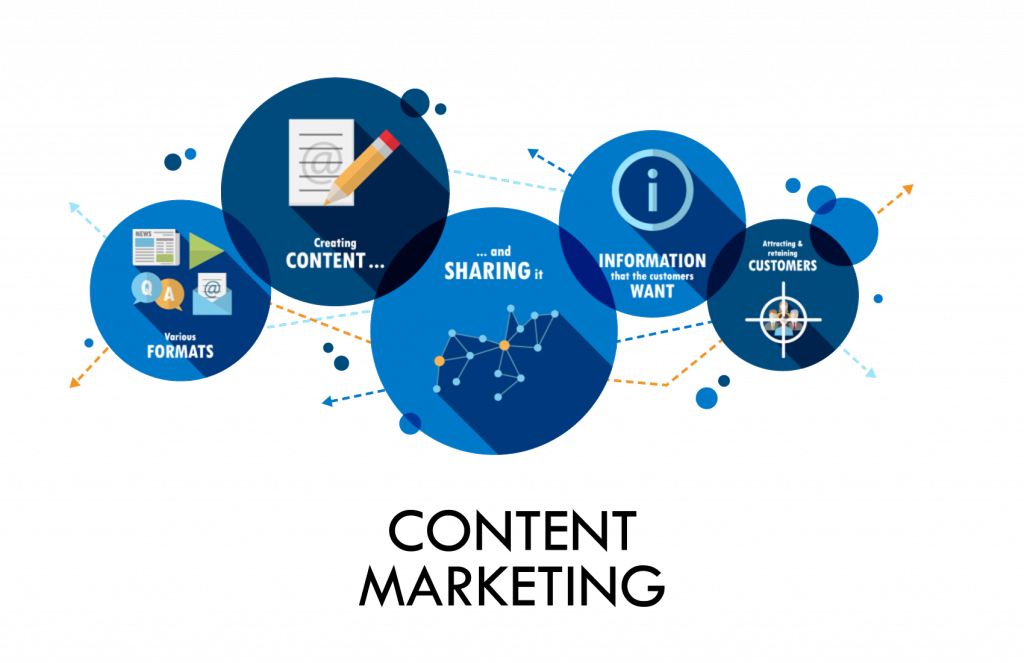
Content marketing is the process of strategically creating and distributing relevant, insight-driven content to attract, engage, and retain a defined audience. Rather than promoting products directly, it focuses on delivering information that addresses customer needs, supports decision-making, and strengthens brand credibility.
The Business Value of Content Marketing
Establishes Market Authority
Consistent, well-researched content positions a business as a trusted industry voice, strengthening brand reputation and customer confidence.
Enhances Organic Visibility
Search-optimized content improves discoverability across search engines, resulting in sustained organic traffic and reduced dependency on paid advertising.
Drives High-Quality Lead Generation
Content attracts prospects who are actively seeking solutions, increasing the likelihood of meaningful engagement and conversion.
Strengthens Customer Engagement
Relevant content supports every stage of the customer journey, from awareness to retention, enabling ongoing engagement and loyalty.
Content Marketing in a Digital-First Economy
Today’s buyers are informed, selective, and value-driven. Content marketing enables businesses to communicate expertise, differentiate their offerings, and influence purchasing decisions through credibility rather than promotion.
In an increasingly competitive digital landscape, businesses must go beyond traditional advertising to capture attention and build lasting relationships. Content marketing has emerged as a strategic discipline that enables brands to communicate value, establish authority, and drive measurable business outcomes.
Understanding Content Marketing
Content marketing is the process of strategically creating and distributing relevant, insight-driven content to attract, engage, and retain a defined audience. Rather than promoting products directly, it focuses on delivering information that addresses customer needs, supports decision-making, and strengthens brand credibility.
This content may include:
- Thought leadership articles and blogs
- Website and landing page content
- Whitepapers and case studies
- Video and visual content
- Email communications
- Social media assets
The Business Value of Content Marketing
Establishes Market Authority
Consistent, well-researched content positions a business as a trusted industry voice, strengthening brand reputation and customer confidence.
Enhances Organic Visibility
Search-optimized content improves discoverability across search engines, resulting in sustained organic traffic and reduced dependency on paid advertising.
Drives High-Quality Lead Generation
Content attracts prospects who are actively seeking solutions, increasing the likelihood of meaningful engagement and conversion.
Strengthens Customer Engagement
Relevant content supports every stage of the customer journey, from awareness to retention, enabling ongoing engagement and loyalty.
Delivers Long-Term ROI
Unlike short-term campaigns, content assets continue to deliver value over time, making content marketing a cost-efficient and scalable strategy.
Core Components of an Effective Content Strategy
Audience Intelligence
Data-driven insights into audience behavior, challenges, and expectations form the foundation of impactful content.
Strategic Planning
Clear objectives, content calendars, and defined messaging ensure consistency and alignment with business goals.
SEO-Led Content Development
Keyword research, search intent analysis, and technical optimization ensure content performs effectively across digital platforms.
Quality and Consistency
Professional content prioritizes clarity, relevance, and consistency to maintain brand voice and trust.
Performance Measurement
Tracking KPIs such as engagement, traffic, lead quality, and conversions enables continuous optimization.
Content Marketing in a Digital-First Economy
Today’s buyers are informed, selective, and value-driven. Content marketing enables businesses to communicate expertise, differentiate their offerings, and influence purchasing decisions through credibility rather than promotion.
Content marketing is not a tactical activity—it is a long-term strategic investment. When executed with precision and purpose, it strengthens brand authority, drives qualified demand, and supports sustainable business growth in a dynamic digital environment.
Note: 1 comment(s) are pending approval.
Leave a Comment